
India’s Insolvency Landscape at a Crossroads: Supreme Court’s Re-Examination of the JSW–BPSL Case and What It Means for the IBC Framework

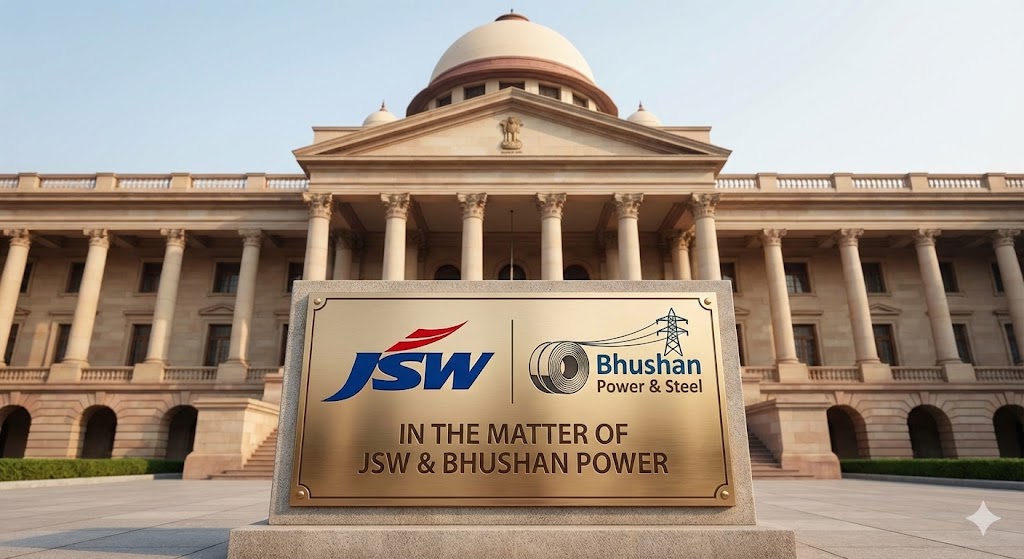
Summary India’s Insolvency and Bankruptcy Code (IBC), once celebrated for bringing certainty and speed to corporate restructuring, is now witnessing renewed turbulence. The Supreme Court’s decision to reopen its earlier order related to JSW Steel’s acquisition of Bhushan Power and Steel has revived debates on finality of resolution plans, judicial oversight, and investor confidence. This […]

Continue Reading

Rights of Daughters over Properties in India: The New Supreme Court Ruling and the Recent Developments

Daughters were never considered equal to sons in terms of their rights to their father’s property before 2005. Daughters, unlike sons, could only be treated as ‘members,’ not ‘coparceners’ (individuals who have a legal right to their ancestral property by birth). Members could not ask for partition or a share of the property, whereas coparceners […]

Continue Reading

How Much Gold can be kept at home without documentation? Know the Government Rules and Tax Regulations

Introduction Gold is much more than a metal for the Indians, it is an emotion for them. Buying gold is always auspicious for Indians in various forms like physical gold, gold bonds, digital gold and SGBs. Indians mainly purchase gold during festivals or marriage ceremonies. The love and fascination regarding this auspicious metal never cease. […]

Continue Reading

PIL in the figure of ‘Personal Interest Litigation’ filed against a Karnataka based business: The Karnataka High Court Imposes a fine of Rs. 10 lakh

The Karnataka High Court on Monday imposed an estimated cost of Rs 10 lakh on a PIL applicant, a fish supplier, by suing a fish processing and oil processing company, over his dispute with the company over a business agreement. Acting bench Chief Justice Satish Chandra Sharma and Justice Sachin Shankar Magadum dismissed the application […]

Continue Reading

“Proposed Amendments to the Contract Labor (Regulation and Abolition) Act, 1970.”

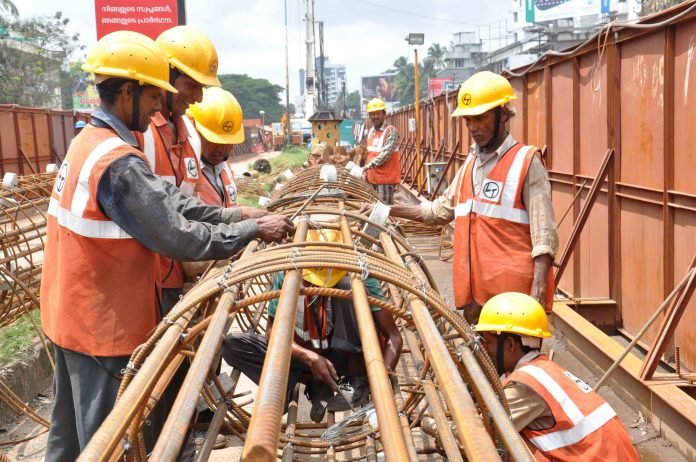
Indian firms and industries depend a lot on contract operations. In fact, some of India’s largest private employers includes human resource workers and those in the business of providing or sending contract workers to their clients, in both industrial and commercial organizations. Contract workers are employees employed within or in connection with the work of […]

Continue Reading